Put AI agents to work on pharmacovigilance and output goes up. So does a quieter risk: the experts who are supposed to supervise those agents slowly lose the ability to do the work themselves.
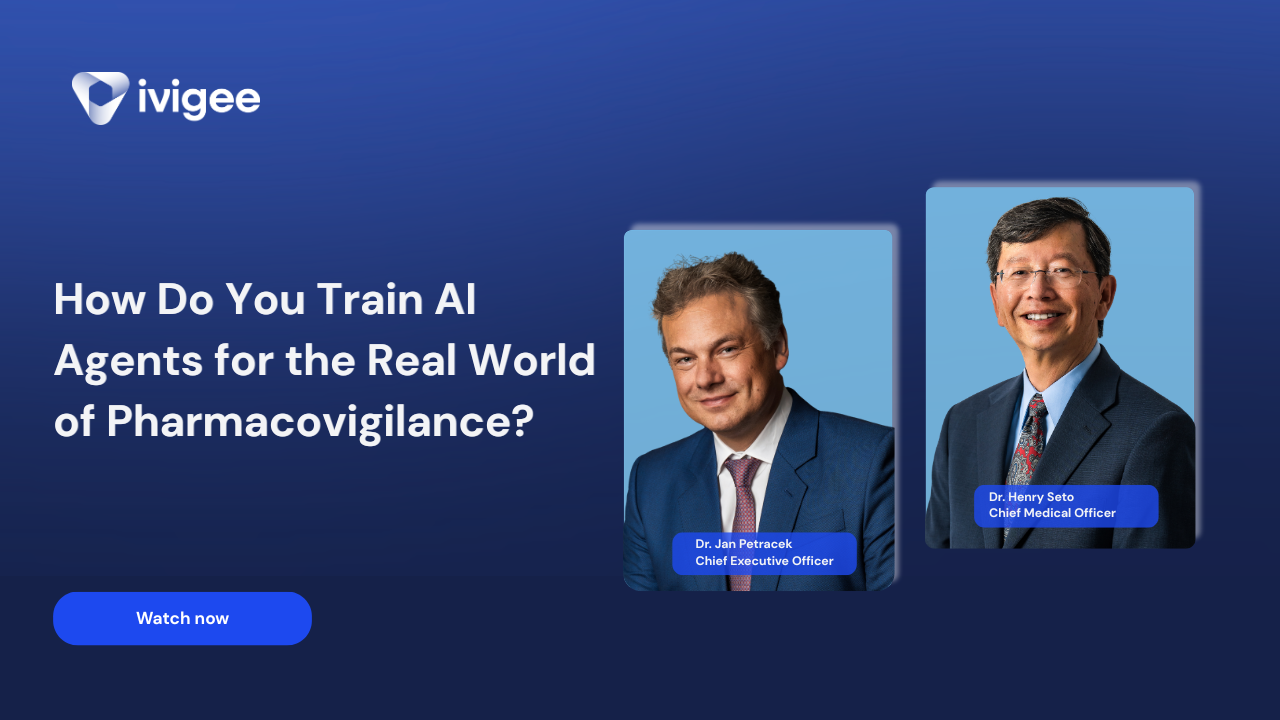
Dr. Henry Seto, our Chief Medical Officer, and Dr. Jan Petracek, our CEO, talk through what AI in pharmacovigilance really changes for the people doing the job. iVigee is implementing AI agents across the business, with experts moving into supervisory roles. The catch is simple. To supervise, you have to know the job, know what the machine is doing, and know where the pitfalls are. That only comes from hands-on experience.
The conversation covers:
- The autopilot lesson. Aviation relies on autopilots so heavily that pilots lose their manual flying skills, so the industry mandated recurrent training. PV may need something similar.
- Use it or lose it. Losing expertise to AI is the same problem as outsourcing everything. If someone else always does your case processing, you forget how.
- AI is "just us." An agent you train behaves like you, imperfections included. That may make it less frightening than the headlines suggest.
- Defending AI to inspectors. Deploying AI in a GxP environment in a way you can defend to auditors and inspectors, following the principles published in CIOMS XIV.
Technology is not 100% reliable, and PV still needs business continuity. If your team is handing more work to AI, the real question is whether your people could still step in if the agents stopped working.
Have a PV challenge or question?